
 By Elena
Snoring can disrupt your sleep and your partner’s rest. Many people look for a simple solution: an anti-snoring pillow. But not all pillows are created equal — and sometimes a more advanced device may be needed. In this post, we’ll walk you through how to choose the right anti-snoring pillow, what to watch out for, and when it might be better to opt for a medical or tech device instead.
💤 Understand Your Type of Snoring
Before you start shopping for an anti-snoring pillow from DreamTech, it’s important to understand why you snore in the first place. Snoring can result from several different factors — and the best solution depends on pinpointing your cause.
🔹 What Actually Causes Snoring?
When you sleep, the muscles in your mouth, throat, and tongue relax. For some people, these tissues relax too much, narrowing the airway. As air passes through, the tissue vibrates and produces that familiar snoring sound.
Common triggers include:
- Sleeping on your back: Gravity allows your tongue to fall backward and narrow your airway.
- Nasal congestion: Allergies or sinus issues force you to breathe through your mouth, making snoring worse.
- Excess body weight: Extra tissue around the neck and throat can block airflow.
- Alcohol or sedatives: These relax your throat muscles excessively.
- Age: Muscle tone in the throat weakens naturally over time.
🩺 According to the Sleep Foundation, simple positional changes — like sleeping on your side — or improving neck support can significantly reduce snoring volume.
🔹 When Snoring Could Be a Sign of Sleep Apnea
If you or your partner notice pauses in breathing, gasping, or choking during sleep, snoring may be a symptom of obstructive sleep apnea (OSA) — a condition that requires medical evaluation.
In such cases, an anti-snoring pillow might reduce noise but won’t fully solve the problem. You may need a CPAP machine or an oral appliance designed by a sleep specialist.
Learn more about diagnosis and treatment options on SleepApnea.org.
💡 If you experience light or moderate snoring without apnea symptoms, a supportive contoured pillow (like the DreamTech™ Ergonomic Anti-Snoring Pillow) can help align your airway and reduce nighttime vibrations naturally.
🔹 Identify Your Snoring Type
| Snoring Type | Common Signs | Best Solution |
|---|---|---|
| Positional Snoring | Louder when lying on your back | Try a side-sleeping anti-snore pillow or wedge design |
| Nasal Snoring | Stuffy nose, mouth-breathing | Combine a nasal dilator with an elevated pillow angle |
| Throat/Palatal Snoring | Deep, rumbling sound | A firm, contoured pillow to stabilize neck and airway |
| Sleep-Apnea-Related Snoring | Loud snoring, breathing pauses | Consult a sleep specialist; may need CPAP or device |
📊 Research from PubMed Central (PMC) shows that positional therapy using specialized pillows can significantly improve sleep quality in mild sleep-disordered breathing cases.
🔹 Internal Tip from DreamTech
Want to upgrade your whole bedtime setup?
Check out our trending post:
👉 Exploring the Best Sleepmaxxing Hacks for Better Sleep — discover how sleep tech and recovery tools work together to enhance your nightly rest.
🔹 Key Takeaway
Not all snoring is created equal — and neither are solutions. Understanding your snoring pattern helps you decide whether an anti-snoring pillow is all you need, or if it’s time to explore advanced devices or professional evaluation.
If your snoring mostly occurs while lying on your back, a positional support pillow from DreamTech could make a noticeable difference. But if symptoms persist despite the right pillow, don’t ignore them — it could be a sign of something more serious.
💤 Key Factors to Consider When Choosing an Anti-Snoring Pillow
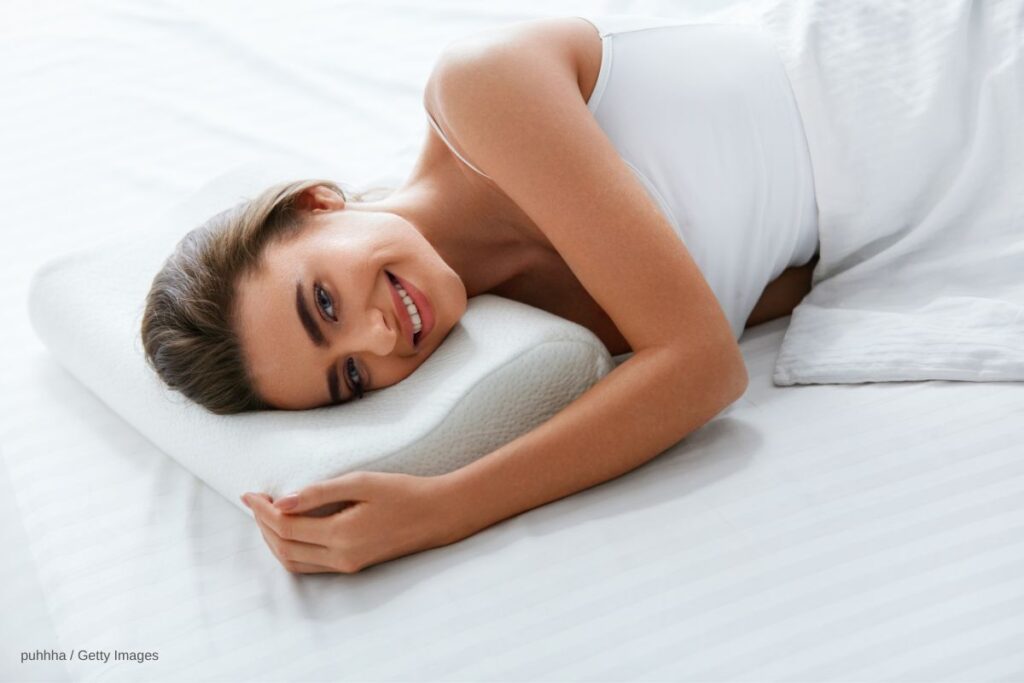
Not all pillows marketed as “anti-snoring” actually help — many are just regular foam pillows with fancy labels. To make sure you choose a pillow that truly supports your airway and sleep posture, focus on the science behind it.
Below are the key features to evaluate before buying an anti-snoring pillow — along with expert insights and product recommendations from DreamTech Sleep.
🔹 1. Pillow Shape & Design
The shape of your pillow plays the biggest role in snoring reduction. A good anti-snoring pillow gently tilts or aligns your head and neck to keep your airway open.
- Contoured pillows cradle your neck and encourage side sleeping — ideal for positional snorers.
- Wedge pillows elevate the upper body slightly, reducing pressure on the airway and easing nasal breathing.
- Smart pillows adjust angles automatically when snoring is detected (like DreamTech’s SmartSleep Anti-Snore Pillow, coming soon!).
📗 According to WebMD, elevating the head by 20–30 degrees can significantly minimize snoring in mild cases.
👉 Explore our ergonomic options here:
DreamTech™ Ergonomic Anti-Snoring Pillow — designed to support your airway alignment naturally.
🔹 2. Material & Firmness
Your pillow’s material affects both comfort and airway stability.
- Memory foam conforms to your head and neck, maintaining consistent support throughout the night.
- Ventilated foam or latex improves breathability and reduces heat buildup.
- Adjustable-fill pillows let you modify firmness by adding or removing layers.
If your pillow is too soft, your head may sink in and narrow your airway. If it’s too firm, you’ll strain your neck. Look for a balance between structure and softness.
💡 For example, DreamTech’s Smart Contour Memory Foam Pillow is made from cooling, pressure-relief foam that holds shape while keeping airflow consistent.
📘 A clinical study from PubMed Central found that optimal pillow firmness and height can reduce snoring frequency by maintaining cervical alignment.
🔹 3. Height (Loft) and Alignment
The right pillow height — also known as loft — determines how well your head, neck, and shoulders align. Misalignment can cause airway constriction or neck stiffness.
| Sleep Position | Ideal Pillow Loft | Recommendation |
|---|---|---|
| Back Sleepers | Medium (4–5 inches) | Choose a contoured anti-snoring pillow with head cradle support |
| Side Sleepers | Medium-High (5–6 inches) | Go for firm edges to support shoulder gap |
| Combination Sleepers | Adjustable | Look for modular inserts (DreamTech pillows include removable foam layers) |
🩶 A good rule: Your ears, shoulders, and hips should stay in a straight line when you lie down.
🔹 4. Breathability & Cooling
A pillow that traps heat can cause tossing, turning, and shallow breathing — which all worsen snoring.
Prioritize materials with ventilation channels, cooling gel, or breathable bamboo covers.
🌿 Check out the DreamTech Cooling Sleep Pillow — made with airflow zones and anti-bacterial fabric, ideal for warm sleepers or those prone to nasal congestion.
External authority: Healthline notes that breathable designs can indirectly improve airflow and oxygenation during sleep.
🔹 5. Adjustability & Smart Features
Modern anti-snoring pillows are evolving fast. Some include built-in sensors or adjustable inflation to shift your head position automatically when snoring is detected.
Even simpler adjustable pillows — like those with removable layers — allow you to fine-tune support for different sleep styles.
DreamTech’s upcoming Smart Anti-Snore Pillow combines gentle vibration feedback with ergonomic shaping — merging comfort and technology for optimal results.
If you love sleep innovation, read our trending blog post:
👉 Reclaim Your Night: Proven Techniques to Fall Back Asleep Naturally
🔹 6. Hygiene, Durability & Maintenance
Snoring aside, your pillow should also be easy to clean. A washable, hypoallergenic cover keeps dust mites and bacteria away — important for anyone with allergies or sinus issues.
💤 Look for antimicrobial or silver-infused fabrics that promote freshness. DreamTech pillows use removable covers for easy washing and longer lifespan.
🔹 Key Takeaway
When choosing an anti-snoring pillow, don’t just focus on price or looks.
Focus on function: shape, material, support, and cooling performance.
The best pillow is one that aligns your neck, supports healthy breathing, and feels great all night long. And if you’ve optimized these features but still snore heavily, it might be time to explore smart anti-snoring devices — which we’ll cover in the next section.
💤 Practical Tips for Testing and Using an Anti-Snoring Pillow Effectively

Once you’ve chosen the right anti-snoring pillow, the next step is making sure you’re using it correctly. Even the most advanced design won’t help if your posture or environment isn’t right. Here’s how to get the most out of your new pillow — and see whether it’s truly reducing your snoring.
🔹 1. Give It Time — Don’t Judge in One Night
Your body needs a short adjustment period to get used to a new sleeping angle and firmness. It can take 3–7 nights before you notice real changes in your snoring pattern.
Try tracking your progress with a sleep monitoring app such as SnoreLab or Sleep Cycle. They record snoring volume and frequency so you can compare your results.
📘 According to Healthline, using tracking apps alongside posture-correcting pillows can help users verify improvement within a week.
💤 Pro Tip: Pair your pillow with a DreamTech sleep tracker or smart alarm to see data-backed improvements in your sleep quality and snore frequency.
🔹 2. Maintain Correct Sleeping Posture
For most people, snoring is positional — meaning it worsens when lying on the back. The key is to maintain side-sleeping or elevated posture.
✅ How to position your pillow effectively:
- Align your neck and shoulders so your airway stays open.
- Keep your chin slightly down (not tilted back).
- If you sleep on your back, use a wedge-style pillow like the DreamTech Elevate Anti-Snore Pillow to raise your head by about 20–30 degrees.
📗 Studies from the National Library of Medicine show that even modest head elevation can significantly reduce airway collapse during sleep.
🔹 3. Combine Pillow Support With Smart Habits
A pillow can’t fix every cause of snoring — but when used alongside the right habits, it becomes far more effective.
Try pairing your anti-snoring pillow with these simple lifestyle adjustments:
- Stay hydrated — dryness in your airway worsens snoring vibrations.
- Avoid alcohol or heavy meals within 3 hours of sleep.
- Clean your pillow regularly to prevent allergens that block nasal passages.
- Keep your bedroom air clean and cool, ideally around 18–20°C (64–68°F).
- Use nasal strips or humidifiers if you experience congestion.
💡 External tip: WebMD recommends a multi-factor approach — combining pillow alignment, hydration, and weight management for best results.
🔹 4. Monitor Partner Feedback
Sometimes the most accurate “snore detector” is your partner! Ask them to note:
- If snoring sounds have decreased in volume
- Whether you’re breathing more quietly
- If you’ve stopped shifting positions as much
After a week, you’ll have a clearer sense of whether your anti-snoring pillow is helping or if a more advanced device (like DreamTech’s upcoming Smart Anti-Snore System) might be worth trying.
🔹 5. Recognize When to Seek Professional Help
If you still snore heavily after 10–14 nights of using your anti-snoring pillow, you might be dealing with sleep apnea or another airway disorder.
Signs you should see a doctor:
- Loud, persistent snoring every night
- Gasping or choking during sleep
- Morning headaches or sore throat
- Constant daytime sleepiness
📙 Learn more at SleepApnea.org — they explain how to get evaluated through an at-home or in-lab sleep study.
For milder cases, you can combine your pillow with DreamTech’s Smart Sleep Devices that track snoring patterns and sleep posture:
👉 Explore Smart Sleep Tech Collection
Want to go deeper?
Read our related guide: “How to Sleep Better During Pregnancy for Expectant Mothers” — a companion article explaining how air quality, bedding, and posture affect your snoring.
🔹 Key Takeaway
Your anti-snoring pillow works best when paired with good posture, proper setup, and consistent testing.
Stay patient during your first week — the combination of correct head elevation, side-sleeping, and smart tracking can dramatically improve both your sleep quality and your partner’s peace.
If results plateau, consider adding a smart sleep device for real-time feedback or consulting a professional to rule out sleep apnea.
💤 When a Device Might Be a Better Option
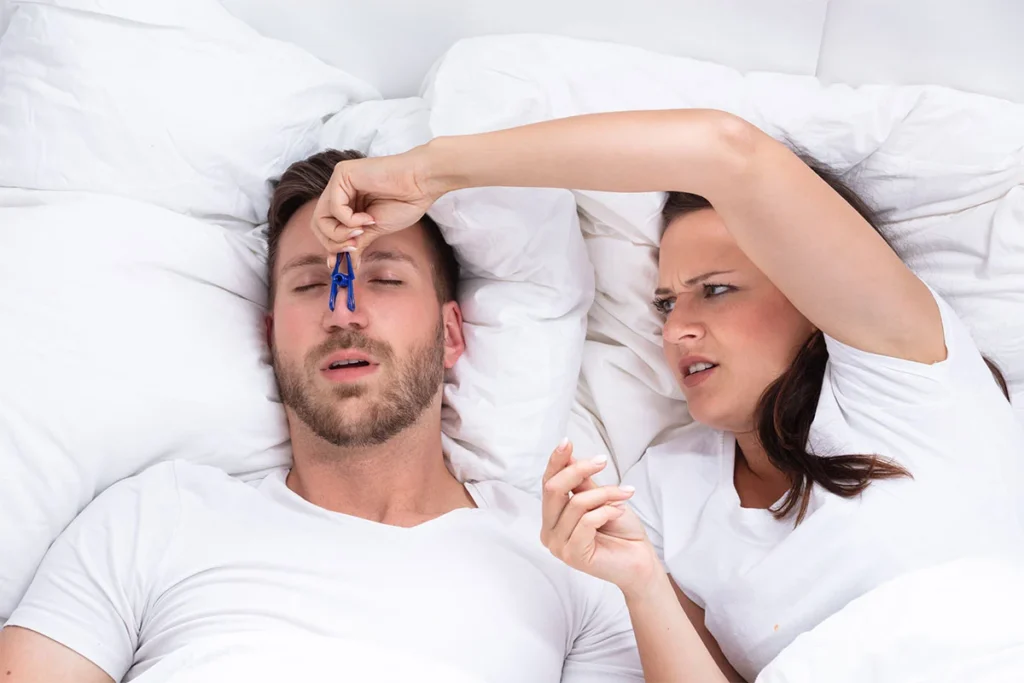
An anti-snoring pillow can work wonders for mild or positional snoring — but if you’ve been consistent and still wake up tired, it might be time to explore anti-snoring devices.
These tools go beyond posture correction, using technology or mechanical assistance to keep your airway open and improve oxygen flow during sleep.
🔹 1. How to Know When It’s Time to Move Beyond a Pillow
If you’ve tried multiple pillows or positional solutions with no improvement, your snoring may stem from deeper airway obstruction rather than poor sleep posture. Watch for these warning signs:
| Symptom | What It Means |
|---|---|
| Loud, chronic snoring every night | May indicate partial airway collapse |
| Gasping, choking, or breathing pauses during sleep | Possible sleep apnea |
| Morning headaches or dry mouth | Low nighttime oxygen levels |
| Extreme daytime fatigue | Fragmented, low-quality sleep |
| Snoring unaffected by sleep position | Could indicate nasal or throat obstruction |
📘 According to the Sleep Foundation, consistent loud snoring accompanied by fatigue often signals a need for medical-grade treatment — not just a pillow.
If this sounds familiar, consider moving toward anti-snoring devices that directly manage airflow or jaw position.
🔹 2. Popular Device Options and How They Work
Let’s break down the main types of anti-snoring devices and how they differ from a pillow:
| Device Type | How It Works | Ideal For | Where to Learn More |
|---|---|---|---|
| CPAP (Continuous Positive Airway Pressure) | Delivers steady air pressure through a mask to keep airway open | Moderate–severe sleep apnea | SleepApnea.org |
| Oral Appliances (Mandibular Advancement Devices) | Move your lower jaw slightly forward to prevent airway collapse | Mild–moderate apnea or loud habitual snorers | Healthline Overview |
| Positional Therapy Devices | Use gentle vibration or tilt sensors to keep you from rolling onto your back | Positional snorers who can’t stay on their side | Harvard Health |
| Smart Anti-Snore Devices | Detect snoring sounds and auto-adjust pillow position or emit mild vibrations | Tech users who prefer comfort + automation | DreamTech Smart Sleep Devices |
💡 Many users find that combining a supportive pillow with a positional or smart device offers the best results. For instance, pairing the DreamTech Smart Sleep Pillow with a snore-detection tracker can give both physical and digital correction in real time.
🔹 3. Devices vs. Pillows — A Quick Comparison
| Feature | Anti-Snoring Pillow | Anti-Snoring Device |
|---|---|---|
| How It Works | Improves airway alignment, promotes side-sleeping | Actively adjusts or maintains airflow |
| Effectiveness | Great for mild or positional snorers | Better for moderate-to-severe or apnea-related snoring |
| Comfort Level | Very high; feels like a regular pillow | May require adaptation (mask, mouthpiece, or strap) |
| Maintenance | Minimal; wash covers and rotate foam | Needs regular cleaning and fitting adjustments |
| Price Range | Affordable (₺900–₺3000 average) | Higher (₺5000+ depending on model) |
| Best Choice For | Light snorers, back or side sleepers | Diagnosed OSA patients, severe snorers |
🩺 A PubMed Central study concluded that positional and mechanical therapies (including smart pillows) can improve mild sleep apnea, but more advanced OSA requires device-based airflow control.
🔹 4. The Hybrid Approach: Pillow + Smart Tech
Today’s market is evolving toward hybrid sleep solutions — combining ergonomic pillows with smart sensors and AI-assisted sleep tracking.
For example, DreamTech’s upcoming Smart Anti-Snore System integrates acoustic sensors and gentle vibration feedback, encouraging you to adjust position without fully waking up.
If your snoring fluctuates with sleep position, this combo can be a game changer.
🔹 5. Talk to a Sleep Specialist Before Investing
If your symptoms point toward sleep apnea, a proper sleep study is crucial before purchasing high-end devices.
Doctors can identify your snoring pattern, oxygen levels, and airway blockages, guiding you to the safest and most effective treatment.
Visit SleepApnea.org to learn what to expect from a professional sleep evaluation.
🔹 Key Takeaway
An anti-snoring pillow is a great first-line solution for most mild snorers.
However, if your snoring persists despite good pillow support — or if you show signs of sleep apnea — upgrading to a device-based solution could dramatically improve your rest and health.
The smartest move? Combine comfort with data. Use your pillow to optimize posture and DreamTech’s smart devices to monitor, adapt, and personalize your sleep every night.
💤 Deciding Between Pillow vs. Device — A Simple Step-by-Step Guide
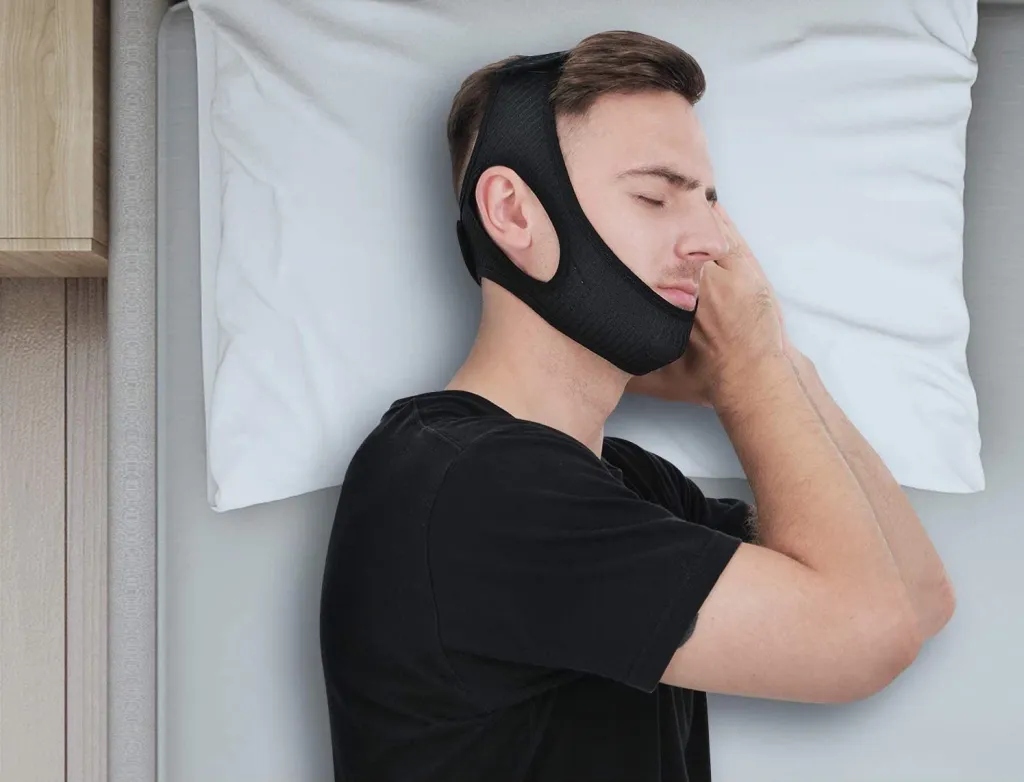
If you’re still unsure whether an anti-snoring pillow or a device is right for you, this simple step-by-step process can help you find your best match — based on symptoms, comfort level, and budget.
🔹 Step 1: Track Your Snoring Pattern
Start by observing your snoring habits over a few nights.
You can use a snore tracking app or a smart sleep monitor like the ones featured in the DreamTech Smart Sleep Collection.
Ask yourself:
- Do you snore more when lying on your back?
- Is your snoring soft and rhythmic or loud and choking-like?
- Do you wake up with a dry throat or headache?
If your snoring changes with position, you’re likely a positional snorer — and a pillow can fix that.
If it’s consistent or severe, a device may be necessary.
🔹 Step 2: Try a High-Quality Anti-Snoring Pillow First
For most mild or moderate snorers, a supportive pillow is the simplest and most comfortable fix.
Look for:
- Ergonomic contouring to elevate your head and open your airway
- Memory foam for consistent neck alignment
- Adjustable height for different sleeping positions
- Breathable cover materials to prevent overheating
Try the DreamTech™ Ergonomic Anti-Snoring Pillow — designed with side-sleeping zones and anti-snore neck support, backed by sleep science research.
📗 The Sleep Foundation confirms that adjusting head elevation with proper pillow design can reduce snoring frequency by improving airflow.
🔹 Step 3: Evaluate Your Results
Use your pillow consistently for 7–10 nights and notice:
✅ Is your snoring quieter?
✅ Are you waking up more refreshed?
✅ Has your partner noticed less noise?
If “yes” — congratulations, you’ve likely solved your snoring naturally!
If “no,” move to the next step.
🔹 Step 4: Consult a Specialist or Try a Smart Device
Persistent snoring despite good posture and sleep support can signal underlying airway issues or sleep apnea.
📋 Get a sleep evaluation — a simple overnight test can confirm what’s happening. You can learn more from SleepApnea.org.
While waiting, try a smart snore solution, such as:
- DreamTech Smart Sleep Pillow System — detects snoring and auto-adjusts support
- Positional training devices — vibrate gently when you roll onto your back
- Oral advancement mouthpieces — reposition your jaw to keep airways open
🔹 Step 5: Combine Comfort + Technology
In many cases, the ideal approach is hybrid — using both an anti-snoring pillow and a smart device.
For example, you might use the DreamTech Smart Pillow for nightly posture correction while tracking your sleep data via a wearable.
This lets you fine-tune your sleep habits and measure progress over time.
💡 Pro tip: Regularly clean and replace your pillow every 12–18 months for consistent support and hygiene — something many snorers overlook.
🔹 Key Takeaway
Choosing between an anti-snoring pillow and a device doesn’t have to be complicated:
- Start simple: Try an ergonomic pillow first.
- Track results: Use smart tools to monitor progress.
- Escalate if needed: Move to devices if snoring persists.
- Consult experts: If symptoms suggest apnea or chronic fatigue.
Remember, your path to better sleep begins with awareness — and DreamTech offers both comfort and smart solutions for every type of snorer.
🛒 Explore our full range of Anti-Snoring Products today and start sleeping (and breathing) better tonight.
🌙 Conclusion: Finding Your Perfect Anti-Snoring Solution
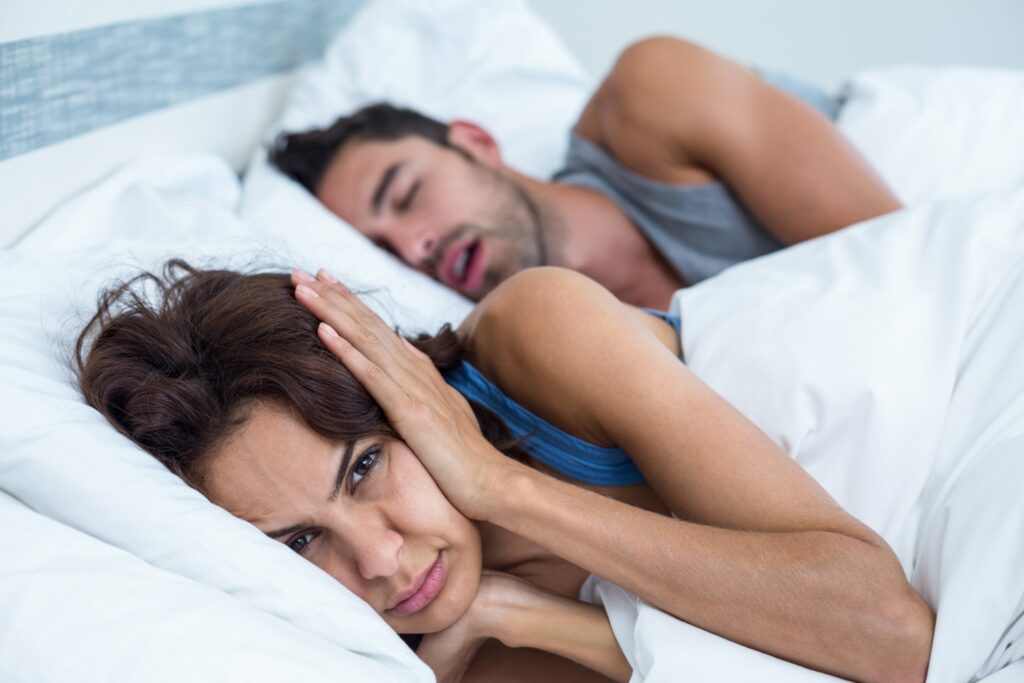
Snoring isn’t just a nighttime nuisance — it’s a signal from your body that something in your sleep posture or airway alignment needs attention.
For most people, the right anti-snoring pillow can make a dramatic difference by keeping the head and neck in a neutral position and promoting healthy airflow.
But if your snoring continues despite a supportive pillow, or you experience fatigue, gasping, or irregular breathing, it may be time to explore advanced anti-snoring devices or consult a sleep specialist.
💤 Whether you prefer a simple ergonomic solution or smart technology that adapts to your sleep habits, DreamTech Sleep has products designed to help you rest deeper, breathe easier, and wake refreshed.
👉 Check out our Ergonomic Anti-Snoring Pillow Collection and pair it with our Smart Sleep Devices for a next-level sleep experience.
🧠 Expert Tip
According to Harvard Health, lifestyle changes combined with supportive sleep aids like pillows or devices can significantly reduce mild snoring and improve oxygen quality overnight.
Small improvements — like posture correction and nasal breathing — can make big changes in sleep health.
❓FAQ: Anti-Snoring Pillow vs. Devices
Q1. Do anti-snoring pillows really work?
Yes — for mild or positional snoring, an anti-snoring pillow can improve airflow and reduce vibration in the throat. They’re most effective for back or side sleepers who snore due to poor neck alignment.
Q2. How long does it take to see results?
Many users notice quieter sleep within 3–7 nights. For best results, combine your pillow with good sleep hygiene — consistent bedtime, side sleeping, and avoiding alcohol before bed.
Q3. Can I use both a pillow and a device?
Absolutely. Combining a supportive pillow with a smart snore-control device often gives the best results. You can browse DreamTech’s hybrid solutions here.
Q4. When should I see a doctor?
If you snore loudly every night, wake up gasping, or feel tired all day despite enough sleep, consult a doctor. You may have obstructive sleep apnea (OSA) — a condition that requires professional treatment. Learn more at SleepApnea.org.
🛍️ Ready to Sleep Better Tonight?
Don’t let snoring control your nights.
Start with the DreamTech™ Ergonomic Anti-Snoring Pillow — engineered to realign your neck, open your airways, and reduce snoring naturally.
Then explore our Smart Sleep Collection for intelligent snore tracking and position-adjusting technology.
Want more sleep optimization tips?
📖 Read next: How to Sleep Better with GERD: Managing Acid Reflux for Restful Nights — discover how modern sleep tools and lifestyle shifts can transform your rest.
[…] Recovery: How the Right Anti-Snoring Pillow and Sleep Mask Can Restore Your Sleep Quality Fast How to Choose the Right Anti-Snoring Pillow (and When You Might Need a Device Instead) Sleep Anxiety Solutions: A Complete Guide for Better Rest RestAware & Beyond: The Best […]