
 By Elena
Ever notice how great your bed feels on Friday night — yet you wake up groggier on Monday morning? Welcome to the modern sleep dilemma, where our bodies crave consistency, but our weekends disrupt everything. Weekend Sleep Recovery has become one of the most talked-about wellness trends of 2026, as more people realize that catching up on rest isn’t as simple as “sleeping in.”
Between late nights, extra screens, and comfort eating, your weekend habits can trigger more snoring, shallow sleep, and irregular breathing — even if you normally sleep fine. That’s where tools like an anti-snoring pillow and a light-blocking sleep mask can make a real difference. They help reset your body’s rhythm, support better airway alignment, and create the deep darkness your brain needs to produce melatonin — the hormone that drives quality sleep.
In this guide, we’ll explore how to recover your sleep after long weekends, why your pillow and mask matter more than you think, and how a few small tweaks can help you wake up energized — not exhausted — on Monday morning.
Why Weekends Wreck Your Sleep Cycle
For most people, weekends are a time to relax — but your body doesn’t see it that way. Our sleep-wake cycle runs on a precise internal clock called the circadian rhythm, which depends on consistent light exposure, bedtime, and wake time. When you stay up late, sleep in, or fall asleep in front of a screen, that rhythm drifts — a phenomenon experts call “social jet lag.”
This inconsistency confuses your brain, lowers melatonin production, and makes Monday mornings feel like you’ve flown across time zones. Studies show that even just two nights of late bedtime can cause increased fatigue, mood swings, and disrupted deep sleep cycles. For snorers, it gets worse — late-night meals, alcohol, or sleeping in certain positions can narrow your airway, increasing the likelihood of snoring or mild sleep apnea episodes.
That’s where weekend sleep recovery becomes essential. By pairing good habits with the right sleep tools — like a contoured anti-snoring pillow that promotes open airways, or a blackout sleep mask that simulates nighttime darkness — you can minimize the damage of a disrupted schedule. These simple aids help your body restore balance faster, ensuring your weekend rest actually refreshes you instead of leaving you drained.
The Science of Weekend Sleep Recovery (and Why It’s Different from Catching Up on Sleep)
When most people think about weekend sleep recovery, they imagine “catching up” on lost hours by sleeping in — but that’s not how real recovery works. Your body doesn’t store sleep like a battery; instead, it follows daily biological rhythms that regulate hormones, metabolism, and brain function. When you disrupt those rhythms, it takes more than extra hours in bed to fix them.
Research from the American Academy of Sleep Medicine shows that even a single night of late bedtime can delay melatonin release by up to 90 minutes — meaning your body doesn’t feel sleepy at the right time the following night. This leads to shallower REM sleep and more frequent awakenings. For snorers, the problem compounds: inconsistent sleep timing and weekend alcohol consumption can relax throat muscles and make airway blockage more likely.
True weekend sleep recovery focuses on realignment, not oversleeping. That means controlling light exposure, optimizing sleeping posture, and improving air quality. Using a supportive anti-snoring pillow helps keep your airway open even if your sleep schedule shifts, while a blackout mask blocks unwanted morning light, allowing your brain to maintain its normal sleep phase. Together, these small but powerful tools can restore natural sleep quality — even after an off-routine weekend.
How an Anti-Snoring Pillow Can Help Reset Your Airway Alignment
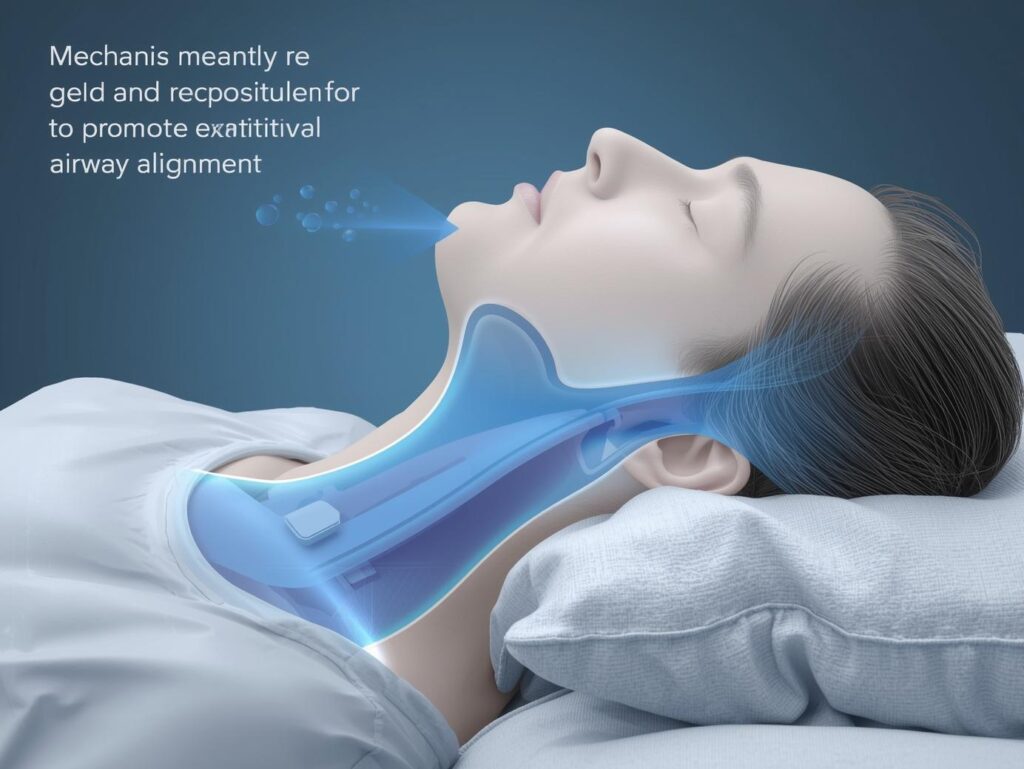
When your weekend sleep schedule goes off track, your posture often does too. Late-night scrolling, falling asleep on the couch, or sleeping in unusual positions can strain your neck and compress your airways — one of the leading triggers for snoring and restless sleep. That’s why an anti-snoring pillow can be a game-changer for effective weekend sleep recovery.
How Pillow Positioning Impacts Breathing
Snoring usually happens when airflow is partially blocked during sleep. This can occur when your tongue and soft palate collapse backward, especially if you’re lying flat or on your back. A properly designed anti-snoring pillow gently elevates your head and neck, keeping your airway aligned and open throughout the night. It’s not just about comfort — it’s about physiology. By improving spinal and airway alignment, you reduce throat vibration, which leads to quieter, deeper, and more restorative sleep.
Why Anti-Snoring Pillows Work Better Than Regular Ones
Ordinary pillows often lose shape or support after a few hours, causing your chin to tilt toward your chest — exactly the position that narrows your airway. In contrast, ergonomic anti-snoring pillows use contour shaping, memory foam, or wedge designs to maintain the correct elevation all night. Some even feature side-sleep zones that help train your body to rest in a position proven to minimize snoring.
The result? Better airflow, less snoring, and fewer wake-ups. It’s a simple but science-backed adjustment that supports your weekend sleep recovery without medication or invasive devices.
Bonus: How to Choose the Right Anti-Snoring Pillow for You
When choosing one, look for:
- Contoured or wedge design – promotes neck and head alignment.
- Memory foam or responsive material – adapts to your shape without collapsing.
- Breathable covers – to regulate temperature during deeper sleep phases.
- Washable materials – essential for hygiene and longevity.
For many users, combining a sleep mask with the right anti-snoring pillow creates a synergistic effect: full-body comfort, open airways, and complete darkness — everything your body needs to reset after a long weekend of disrupted routines.
Why a Sleep Mask Is Your Weekend Recovery Essential
Light is one of the most powerful regulators of your sleep–wake cycle — and also one of the biggest reasons weekend sleep recovery fails. Even a small amount of ambient light from street lamps, sunrise, or screens can suppress melatonin production, the hormone that signals your body it’s time to rest. That’s why a sleep mask is far more than a comfort accessory; it’s a biological reset button for your brain.
The Science Behind Total Darkness and Deep Sleep
Your brain’s internal clock — the suprachiasmatic nucleus — is directly influenced by light exposure through your eyes. When light hits your retinas, it tells your body to stay alert. In contrast, darkness signals the body to produce melatonin, slow heart rate, and prepare for deep, restorative sleep. On weekends, when bedtime and wake-up times vary, light exposure becomes erratic — confusing your circadian rhythm and making it harder to fall asleep naturally.
A blackout sleep mask solves this by creating an artificial “midnight” environment, regardless of when you go to bed. This is especially useful during weekend sleep recovery, when you may need to fall asleep earlier (or later) than usual. By blocking light completely, a mask tricks your brain into maintaining its melatonin cycle — helping you drift off faster and achieve higher-quality sleep.
Why the Right Mask Design Matters
Not all sleep masks are created equal. Cheap or poorly designed masks can press on your eyes, slip off during the night, or fail to block light entirely. For optimal results, look for:
- 3D contoured designs that don’t touch your eyelids or lashes.
- Adjustable straps to prevent slipping or tightness.
- Breathable materials like silk or cooling foam to regulate temperature.
- Complete blackout coverage, even around the nose bridge and sides.
High-quality masks can reduce nighttime awakenings, improve REM duration, and enhance overall recovery — making them a crucial part of your weekend sleep recovery toolkit.
Pairing with Other Sleep Aids for Maximum Effect
For the best results, combine your mask with an anti-snoring pillow or breathable bedding to create a fully optimized sleep environment. Darkness helps your brain rest, proper posture keeps your airways clear, and together they support deeper, uninterrupted sleep — even if your weekend routine went off the rails.
Easy Weekend Sleep Routine — 5 Steps to Rebalance Your Body
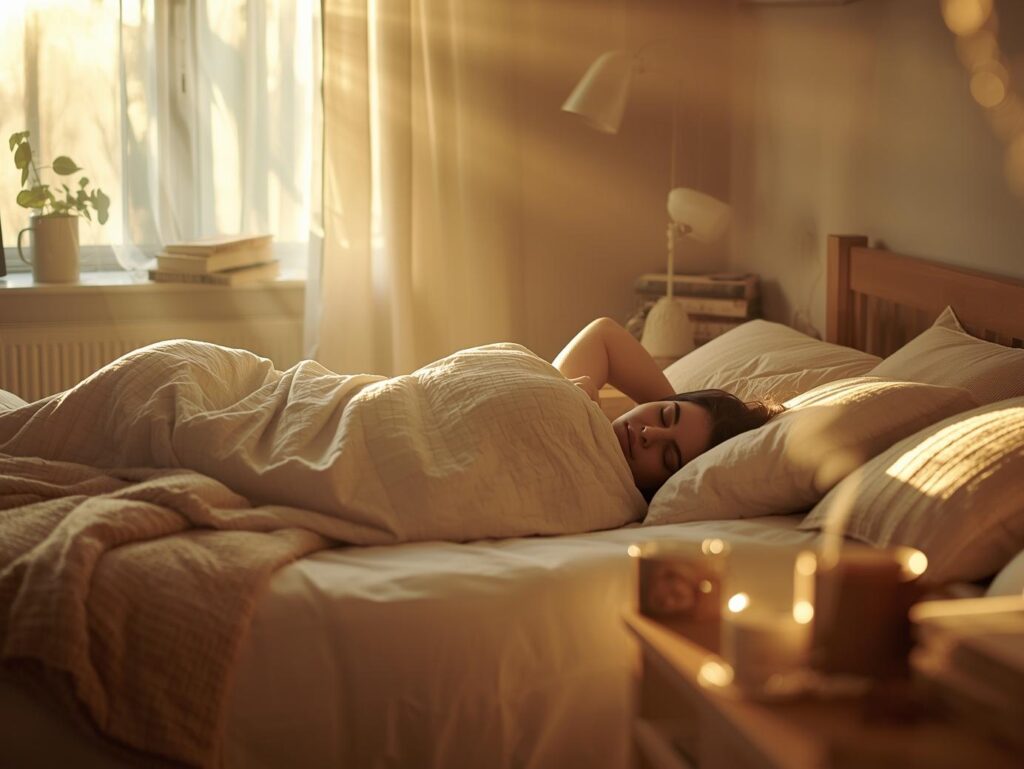
Recovering from disrupted sleep isn’t about oversleeping — it’s about retraining your body’s natural rhythm. This 5-step weekend sleep recovery plan helps restore your circadian balance and supports your body with the right tools — like our DreamTech Anti-Snoring Pillow and 3D Contoured Sleep Mask.
Step 1: Start With a Consistent Wake-Up Time
Sleeping in for hours on weekends feels great in the moment — but it tricks your brain into thinking you’re in a different time zone. Studies from the American Academy of Sleep Medicine show that even a one-hour shift can delay melatonin release and lower energy during the week.
Try to wake up within one hour of your weekday time to keep your body clock stable. If you’re exhausted, go for a short 20-minute nap instead of oversleeping. For more on timing and consistency, check our earlier post: How to Build a Sleep Routine That Actually Works.
Step 2: Reset Your Environment
Your room’s light, noise, and temperature have more impact on sleep than you might think. Keep the space cool, quiet, and dark. Use our adjustable blackout sleep mask to block early sunlight — ideal for weekend sleep recovery when bedtime shifts.
Adding soft sounds or lavender scents can further calm your mind. According to the Sleep Foundation, consistent darkness and temperature below 20 °C optimize melatonin and deep sleep.
Step 3: Support Your Breathing with Proper Positioning
Snoring or waking up groggy? That’s often from poor alignment. Sleeping on your back causes your airway to narrow, especially after alcohol or late meals.
Our anti-snoring pillow is designed to elevate your head and neck to keep your airway open and minimize snoring vibrations. You can read more in our guide: How to Choose the Right Anti-Snoring Pillow (and When You Might Need a Device Instead).
Step 4: Practice a Short Wind-Down Routine
Falling asleep faster starts with slowing your mind. Turn off screens 30 minutes before bed, stretch, or try deep breathing. Wearing your sleep mask even before you lie down helps trigger melatonin naturally.
For a trend-based approach, explore our post on Best Sleepmaxxing Hacks for Better Sleep — it blends science and ritual for next-level rest.
Step 5: Rehydrate and Refuel Wisely
Hydration affects sleep more than most people realize. Drink enough water but stop heavy fluids one hour before bed. Avoid sugary or greasy foods late at night — they increase reflux and snoring.
A quick morning trick: get 10 minutes of natural sunlight within half an hour of waking. Research from NIH shows it helps reset your circadian rhythm for better energy and mood.
Weekend Sleep Recovery in Action
Following these five steps helps your body recover from late nights without losing balance. The combination of consistent habits, an anti-snoring pillow, and a blackout sleep mask is the simplest and most effective way to rebuild your rhythm — naturally.
💤 Explore more recovery tools in our DreamTech Sleep Collection and make every weekend feel like a true recharge.
Final Thoughts — Make Every Night Feel Like a Real Recharge
Your weekends shouldn’t feel like a desperate attempt to “catch up” on rest — they should be a time to rebalance your body and mind naturally. True weekend sleep recovery is not about sleeping more; it’s about sleeping better. When your environment, posture, and breathing all align, your body can reach deeper sleep cycles and recharge efficiently — without needing extra hours.
Turn Sleep Into a Habit, Not a Fix
Many people treat weekends as a reset button for poor weekday sleep habits, but sustainable rest comes from consistent sleep hygiene. Setting a fixed bedtime, using a comfortable sleep mask, and optimizing your sleeping position with an anti-snoring pillow aren’t quick fixes — they’re lifestyle upgrades that make your entire week more productive and restful.
If you’re not sure where to begin, explore our guide How to Improve Your Sleep Hygiene Naturally — a simple, evidence-based plan to help you create better nightly routines.
Combine Tech and Comfort for Maximum Results
At DreamTech Sleep, we design products that merge technology and comfort to solve the most common sleep problems — from snoring to poor light control. Our Sleep Mask Pro 3D and Ergonomic Anti-Snoring Pillow are trusted by thousands of customers who wanted a simple, natural solution to their sleep struggles.
For deeper insight into how sleep gear can transform your nights, check out the National Sleep Foundation’s research on sleep environment optimization — and then match it with the right tools from our DreamTech Collection.
Sleep Better. Live Better. DreamTech Better.
With the right routine and gear, weekend sleep recovery becomes effortless — and your weekdays feel less draining, more balanced, and more energetic. Small changes like blocking light, improving airflow, and adjusting your posture can have an enormous impact on your sleep quality.
💤 Explore our expert tips and innovations at DreamTechSleep.com — and turn every night into a true recharge.